Xylitol Has a New Name and It's Just as Dangerous
Jan 09, 2026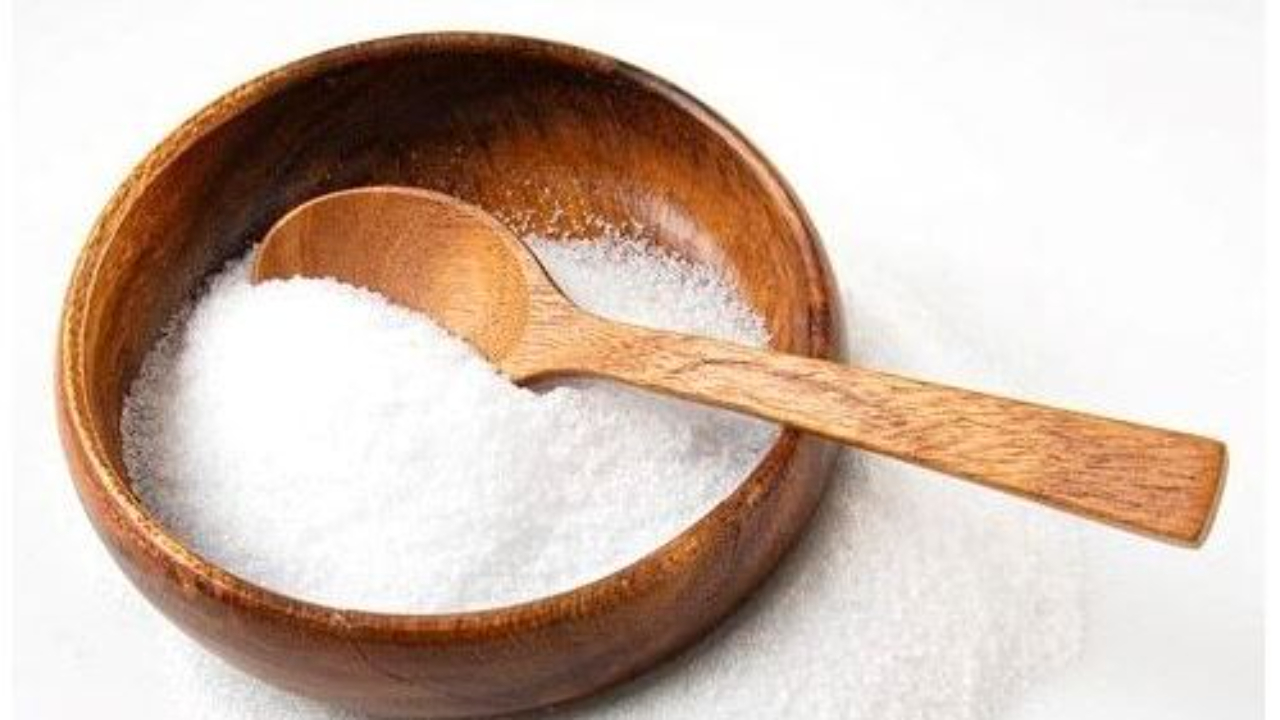
A newer sweetener known as Bocha Sweet has started appearing in a variety of products, including desserts, baked goods, snacks, and even peanut butter.
While whole kabocha squash (a Japanese pumpkin) is safe for pets, Bocha Sweet is a highly refined extract and is classified as xylitol, which is dangerous for both dogs and cats.
Xylitol may also be listed on ingredient labels under alternate names such as birch sugar, wood sugar, or plant-based sweetener, making it easy to overlook.
The widespread incorporation of xylitol into an ever-expanding array of products, from sugar-free gum and peanut butter to medications and oral care items, has led to a dramatic increase in canine xylitol poisonings over the past two decades.
Before offering any human food to your pets, take a moment to carefully read the ingredient list. That quick check can make the difference between a safe treat and a serious emergency.
What is Xylitol?
Xylitol is a naturally occurring sugar alcohol found in some plants and is commercially produced, most often from birch trees. It appears as a white, sugar-like powder and has a similar taste to sugar.
For people, xylitol is generally considered safe, though consuming large amounts may cause mild digestive upset such as diarrhea. It is commonly used as a sugar substitute, particularly for individuals managing diabetes or those who want to reduce the risk of cavities while chewing gum.
Although veterinarians and pet parents have long been aware of the dangers posed by xylitol in products like gum, candy, baked goods, and other human treats, these items are not typically offered to dogs. More recently, however, some manufacturers have begun adding xylitol to peanut butter products.
This is especially concerning because peanut butter is frequently used to hide oral medications for dogs who are reluctant to take pills. Peanut butter brands that have been reported to contain xylitol include Go Nuts, Hank’s Protein Plus Peanut Butter, Krush Nutrition, Nuts ’n More, and P28.
How Xylitol Affects Our Dogs’ Body
Dogs possess a unique metabolic response to xylitol that differs fundamentally from humans and most other species. When a dog ingests xylitol, their pancreas misidentifies it as real sugar and releases massive amounts of insulin, causing blood glucose levels to plummet dangerously low within 30 to 60 minutes.
At higher doses, xylitol can also cause acute liver failure through mechanisms that researchers are still working to fully understand. This dual-action toxicity makes xylitol particularly dangerous, as dogs may initially survive the hypoglycemic crisis only to develop fatal liver damage days later.
Dogs that ingest more than 0.1 g/kg of xylitol may develop rapid drops in blood sugar (hypoglycemia), while ingestion above 0.5 g/kg significantly increases the risk of acute liver failure.
Diving Deeper Into Liver Damage
The hepatotoxic effects typically manifest 9 to 72 hours after ingestion, meaning dogs may initially survive the hypoglycemic crisis only to develop life-threatening liver damage days later. Current research suggests several potential mechanisms for xylitol-induced liver damage.
One theory proposes that xylitol metabolism depletes hepatic ATP (adenosine triphosphate), the cellular energy currency, causing liver cells to die from energy failure. Another hypothesis suggests xylitol or its metabolites directly damage liver cell membranes or mitochondria.
Studies in dogs have documented dramatic elevations in liver enzymes including alanine aminotransferase (ALT) and aspartate aminotransferase (AST), indicating widespread liver cell death. Affected dogs develop coagulopathy, impaired blood clotting, as the damaged liver fails to produce clotting factors. This can lead to spontaneous bleeding, including internal hemorrhage, which may prove fatal even with aggressive treatment.
The liver damage pattern seen with xylitol toxicity resembles acute fulminant hepatic failure, with massive hepatocyte necrosis occurring throughout the liver. Unlike some toxins that damage specific liver zones, xylitol appears to cause diffuse hepatic injury.
Post-mortem examinations of dogs that died from xylitol toxicity have revealed extensive hepatocellular necrosis, hemorrhage, and in some cases, complete loss of normal liver architecture.
Treatment Protocols
Decontamination
The goal of decontamination is to stop more xylitol from being absorbed into the body. However, this is difficult because xylitol is absorbed very quickly. Whether decontamination is helpful depends on how much time has passed since ingestion and how the dog is acting.
Inducing vomiting is most helpful within 30 to 60 minutes after xylitol ingestion and should only be done if the dog is not showing symptoms. If a dog is already weak, disoriented, uncoordinated, or showing neurological signs, making them vomit can be dangerous and may lead to aspiration pneumonia. Veterinarians may use medications such as apomorphine or hydrogen peroxide to safely induce vomiting when appropriate, with the goal of removing any remaining xylitol from the stomach.
Because xylitol begins absorbing within minutes, vomiting becomes much less effective over time. By the time most dogs arrive at the clinic, a large portion may already be absorbed. Even so, removing any remaining product can still reduce the total amount absorbed, especially if a large quantity was eaten.
The use of activated charcoal for xylitol poisoning is debated. Charcoal works best on larger toxins and does not bind well to small molecules like xylitol. Some veterinarians may still recommend it after vomiting to help bind any xylitol that has moved into the intestines, while others feel it offers little benefit. The decision is based on the amount ingested, timing, and the dog’s condition.
Stomach pumping (gastric lavage) is rarely used because xylitol absorbs so quickly and the procedure carries risks, especially in dogs with low blood sugar. It may be considered only in very rare cases of massive ingestion caught almost immediately.
Because the window for effective decontamination is so short, immediate veterinary care is critical. Pet owners should never delay seeking help or attempt home treatments, as professional care allows for both decontamination and rapid treatment if toxicity develops.
Managing Low Blood Sugar (Hypoglycemia)
Treating low blood sugar is the most important part of xylitol toxicity care and must begin right away. The goal is to raise blood sugar levels and keep them stable until the body clears the xylitol and insulin levels return to normal.
Dogs with confirmed low blood sugar need intravenous (IV) dextrose. Treatment usually starts with a dextrose bolus, which is a quick injection of glucose given through an IV. This raises blood sugar rapidly but only for a short time, often 15 to 30 minutes.
Because insulin remains high, blood sugar can drop again quickly. For this reason, the bolus is followed by a continuous glucose infusion, where dextrose is added to IV fluids to provide steady support. Blood sugar levels are checked often, and the amount of dextrose is adjusted as needed to keep levels in a safe range.
Blood glucose is usually monitored every 1 to 2 hours at first, then less often once the dog stabilizes. Monitoring continues for at least 12 to 24 hours after glucose support is stopped, as some dogs experience a rebound drop in blood sugar.
Most dogs need glucose support for 12 to 24 hours, but those that ingest large amounts may require treatment for 36 to 48 hours or longer. Supplementation is only stopped once blood sugar stays stable without support.
If IV access is not immediately possible, small amounts of honey or corn syrup may be rubbed on the gums as a temporary measure. This is not a replacement for IV treatment but may help briefly while emergency care is being established.
Care is taken to avoid raising blood sugar too high, as this can cause another insulin surge and worsen the situation. Slow, steady control is safer than large swings in glucose levels.
Liver Support (Hepatoprotective Therapy)
Dogs that ingest higher doses of xylitol are at risk for liver damage, even if early blood tests look normal. Because of this, liver-protective treatments are often started early.
SAMe (S-adenosylmethionine) is commonly used to support liver health. It helps the liver produce antioxidants that protect cells from damage. It is usually given once daily on an empty stomach, though it may be difficult to give if the dog is vomiting.
N-acetylcysteine (NAC) is another antioxidant that supports liver function. It is given through an IV and is commonly used in other types of liver toxicity. While not specifically studied for xylitol poisoning, it is often included because of its protective effects.
If liver damage affects blood clotting, vitamin K may be needed to help restore normal clotting ability. In severe cases, plasma transfusions may be required to control bleeding.
Supportive care includes IV fluids to maintain hydration and blood flow, medications to control nausea, and drugs to protect the stomach. If a dog cannot eat for more than a day, nutritional support may be considered once vomiting is controlled.
Hospitalization and Monitoring
Dogs with xylitol poisoning almost always require hospitalization, often in an intensive care setting. Close monitoring is needed because blood sugar can change rapidly and complications may develop.
Dogs with low blood sugar alone are usually hospitalized for 12 to 24 hours if they stabilize quickly. Dogs at risk for liver injury are often hospitalized for 48 to 72 hours or longer to monitor liver enzymes and watch for delayed damage.
If liver failure develops, hospitalization may last several days and include frequent blood tests, clotting checks, and advanced treatments such as plasma transfusions.
Before discharge, blood sugar must remain stable without IV support, the dog should be eating and walking normally, and liver values should be improving if they were affected. Some dogs may go home with medications and strict monitoring instructions.
Prognosis for Dogs With Xylitol Toxicity
The outlook for dogs exposed to xylitol can vary widely. It depends on how much was eaten, how quickly treatment begins, and whether liver damage develops. Understanding these factors helps veterinarians guide families and make appropriate treatment decisions.
Prognosis With Early Treatment and No Liver Damage
Dogs that are treated quickly for low blood sugar alone usually have an excellent prognosis. When veterinary care begins within 1 to 2 hours of ingestion, before severe hypoglycemia occurs, and the dose is below the level known to cause liver damage, survival rates are very high—often 95 to 100 percent with proper care.
These dogs typically recover fully without long-term health issues. Most stabilize within 12 to 24 hours and can go home after monitoring, with no ongoing treatment needed beyond observation.
Prognosis When Liver Damage Occurs
The outlook becomes more uncertain once liver toxicity develops. Studies of dogs with xylitol-related acute liver failure show survival rates ranging from 50 to 70 percent, depending on how severe the damage is.
Dogs with mild to moderate liver enzyme elevations who maintain normal blood clotting and do not develop jaundice or neurological signs tend to do better. Dogs with very high liver enzyme levels, bleeding problems, or clear signs of liver failure have a much poorer prognosis.
Factors That Worsen Prognosis
Several factors can negatively affect outcomes in dogs with liver damage:
- Delayed treatment: Dogs treated hours or days later have worse outcomes than those treated immediately
- Severity of liver enzyme elevation: Higher enzyme levels generally indicate more severe injury
- Bleeding disorders: Dogs with clotting problems or spontaneous bleeding have a poorer outlook
- Neurological signs: Confusion or seizures caused by liver failure suggest severe disease
- Additional complications: Kidney injury or the need for repeated plasma transfusions worsens prognosis
Age and overall health also matter. Younger, otherwise healthy dogs tend to tolerate the stress of toxicity better than older dogs or those with existing health problems. Small dogs are at higher risk because even small amounts of xylitol can reach toxic levels.
Long-Term Effects After Survival
Dogs that survive severe liver injury may still face long-term effects. The liver can regenerate, and many dogs recover liver function over weeks to months. However, some may develop chronic liver disease or scarring after severe injury.
Follow-up blood testing 2 to 4 weeks after discharge is important to assess recovery. Dogs with ongoing liver enzyme elevation may need additional testing such as ultrasound, bile acid tests, or further evaluation for chronic damage.
Neurological Outcomes
Permanent neurological damage is uncommon but possible. Dogs that experienced prolonged low blood sugar or repeated seizures may have lasting effects, though most dogs regain normal neurological function once blood sugar is stabilized.
Key Takeaway
Time is the most important factor in survival. Every minute matters with xylitol exposure. Dogs treated within the first hour after ingestion have far better outcomes than those treated later. For this reason, any suspected xylitol ingestion should always be treated as an emergency, even if the dog appears normal at first.
References
DuHadway MR, Sharp CR, Meyers KE, Koenigshof AM. Retrospective evaluation of xylitol ingestion in dogs: 192 cases (2007–2012) J Vet Emerg Crit Care. 2015;00:1–9. doi: 10.1111/vec.12350.
Dunayer EK. New findings on the effects of xylitol ingestion in dogs. Vet Med. 2006;12:791–797.
Piscitelli, C. M., Dunayer, E. K., & Aumann, M. (2010). Xylitol toxicity in dogs. Compendium (Yardley, PA), 32(2), E1–E4.
Schmid RD, Hovda LR. Acute Hepatic Failure in a Dog after Xylitol Ingestion. J Med Toxicol. 2016 Jun;12(2):201-5. doi: 10.1007/s13181-015-0531-7. PMID: 26691320; PMCID: PMC4880608.
Xia Z, He Y, Yu J. Experimental acute toxicity of xylitol in dogs. J Vet Pharmacol Therap. 2009;32:465–469. doi: 10.1111/j.1365-2885.2009.01065.x.
Reviewed by: Amber L. Drake, PhD
Dr. Amber L. Drake is a board-certified holistic health practitioner, canine clinical herbalist, educator, and founder of the Drake Dog Cancer Foundation and Drake Dog Academy. She is dedicated to helping pet parents better understand canine cancer, treatment options, nutrition, quality of life, and supportive care through compassionate, evidence-informed education. Her work combines professional training, practical resources, and firsthand insight from supporting thousands of dog families through the challenges of a cancer diagnosis.
Stay connected with news and updates!
Join our mailing list to receive the latest news and updates from our team.
Don't worry, your information will not be shared.
We hate SPAM. We will never sell your information, for any reason.