Choosing a Mushroom Tincture for Your Dog with Cancer
Feb 21, 2025
Medicinal mushrooms have been used for centuries to support immune health, cellular repair, and long-term wellness. Modern research shows that certain mushrooms can help dogs by improving immune system performance, reducing inflammation, protecting organs, and supporting the body during cancer treatment. Because mushroom supplements vary greatly in quality, choosing the right one is essential.
This guide will help you understand what makes a mushroom supplement effective, which mushrooms offer the most benefits, and how to use them safely and wisely.
Benefits of Medicinal Mushrooms for Dogs
Medicinal mushrooms contain a wide range of compounds that influence immunity, inflammation, metabolism, and organ function. These include beta-glucans, polysaccharides, antioxidants, vitamins, minerals, and plant-like compounds that help the body respond to stress.
Science-Based Benefits
Research suggests medicinal mushrooms may help:
-
Lower blood pressure
-
Support liver and kidney function
-
Help the body remove toxins
-
Reduce oxidative damage
-
Support heart health
-
Strengthen immune cell activity
-
Reduce allergic reactions
-
Support recovery during chemotherapy and radiation
-
Prevent or slow the growth of cancer cells
Mushrooms help regulate immune response by activating white blood cells such as macrophages, lymphocytes, and natural killer (NK) cells, which play a role in identifying abnormal or cancerous cells.
Extracts vs Ground-Up Mushrooms
Why Extracts Are More Effective
Extracts remove the indigestible outer walls of mushrooms and concentrate the active compounds. These beneficial compounds include beta-glucans, triterpenes, and powerful antioxidants that help regulate the immune system and support cellular health.
Ground-up mushrooms often include growing substrate such as grain or sawdust, which dilutes the potency and reduces medicinal benefits.
What to Look For
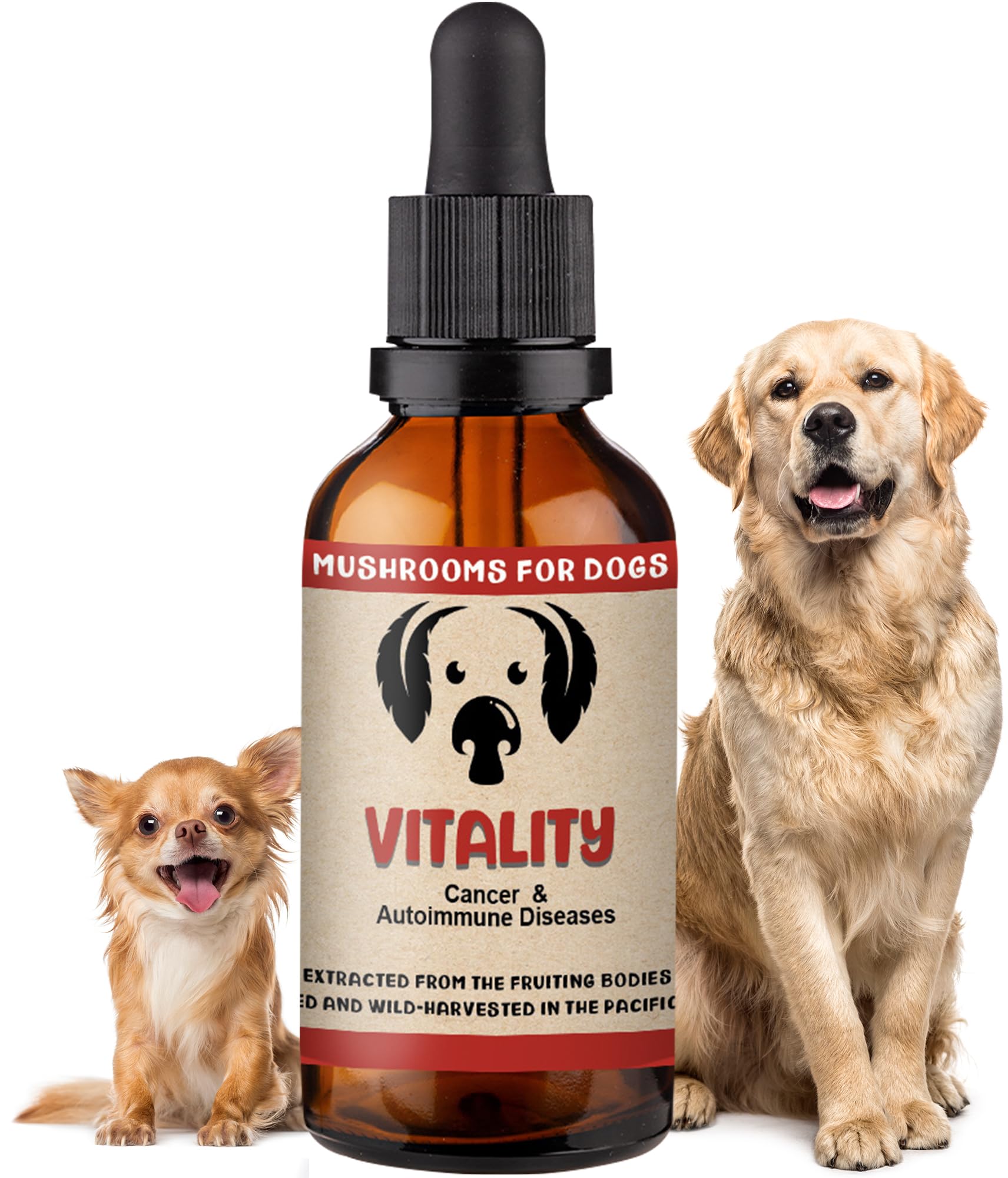
Choose supplements that state they are extracts developed through hot water extraction, alcohol extraction, or dual extraction.
Where Mushrooms Are Grown
Environmental Purity Matters
Mushrooms absorb nutrients and contaminants from their surroundings. Regions with polluted air, soil, or water may produce mushrooms with heavy metals or pesticides.
Areas such as the Pacific Northwest are known for clean forests and nutrient-rich environments that support potent medicinal mushrooms.
What to Look For
Select mushrooms grown in clean, carefully monitored environments that test for contaminants.
How Mushrooms Are Grown
Natural Growth Produces Higher Quality Mushrooms
Mushrooms grown on natural wood or logs develop a stronger medicinal profile. Wood supplies complex nutrients that support the formation of beta-glucans and other bioactive compounds. Mushrooms grown on grain or rice often have lower concentrations of these compounds and may contain leftover substrate.
What to Look For
Choose mushrooms grown on natural wood, logs, or trees, which mirror their natural habitat.
Complementary Compounds in Fruiting Bodies and Mycelium
Medicinal mushrooms contain two main parts: the fruiting body (the visible mushroom) and the mycelium (the root-like network beneath the surface). Both contain beneficial compounds but in different amounts and with different biological effects.
Benefits of the Fruiting Body
The fruiting body generally contains higher concentrations of:
-
Beta-glucans, which help immune cells recognize and respond to threats, including cancer cells
-
Triterpenes, such as ganoderic acid in Reishi, which support liver function and have anti-tumor activity
-
Antioxidants, which reduce inflammation and protect cells from damage
These compounds make fruiting-body extracts especially powerful for immune support and cancer-related care.
Benefits of the Mycelium
Mycelium contains a different spectrum of compounds because it interacts with its environment to absorb nutrients and defend against microbes.
Mycelium may contain:
-
Ergosterol, which can convert into vitamin D2 when exposed to UV light
-
Phenolic compounds, which have antioxidant effects
-
Neuroactive compounds, such as erinacines in Lion’s Mane mycelium
Lion’s Mane is an excellent example of this complementary effect. Its fruiting body contains hericenones, while its mycelium contains erinacines. Both support nerve growth and brain health, but they do so in different ways.
Synergistic Effects
Some practitioners use supplements that contain both the fruiting body and the mycelium because together they may create a broader therapeutic effect. This synergy is based on the idea that multiple compounds work harmoniously to support the immune system, protect organs, and reduce inflammation more effectively than isolated compounds.
Research also suggests that certain mushroom extracts may enhance the effects of conventional cancer treatments. In some cases, mushroom compounds help reduce treatment side effects by supporting liver function, immune activity, and cellular repair.
Tinctures vs Powders
Tinctures
Tinctures absorb quickly and are helpful for dogs with sensitive stomachs or reduced appetites.
Extract Powders
Extract powders can be mixed into food and deliver concentrated medicinal compounds.
Avoid
Products made from raw, dried mushroom powder or mycelium on grain.
What to Look For
Choose a tincture or extract powder made from the fruiting body or a balanced combination of fruiting body and mycelium, depending on your dog’s needs.
Best Medicinal Mushrooms for Dogs and Their Scientific Benefits
Below are some of the most researched and widely used medicinal mushrooms for dogs.
Reishi (Ganoderma lingzhi)
Reishi contains more than 400 bioactive compounds and is known for its immune-regulating and anti-inflammatory properties.
Scientific Benefits
-
Supports immune cell activation
-
Helps regulate stress hormones
-
Contains triterpenes that support liver health
-
May lower blood pressure
-
Helps reduce tumor growth
-
Supports recovery during chemotherapy and radiation
Reishi is considered a “longevity mushroom” due to its broad systemic effects.
Maitake (Grifola frondosa)
Maitake is known for its strong immune-modulating and antioxidant properties.
Scientific Benefits
-
Contains beta-glucans that support immune activity
-
Helps regulate blood sugar levels
-
Supports joint health
-
Used for cancer prevention and cancer support
-
May increase overall vitality
Shiitake (Lentinula edodes)
Shiitake is widely studied and used because of its compound lentinan, which has demonstrated anti-tumor activity.
Scientific Benefits
-
Supports immune function
-
Helps improve cardiovascular health
-
Supports liver health
-
Provides antioxidant protection
-
Enhances white blood cell activity
Turkey Tail (Coriolus versicolor)
Turkey Tail is one of the most researched mushrooms for cancer support.
Scientific Benefits
-
Contains PSP and PSK, powerful immune-modulating polysaccharides
-
Supports white blood cell production
-
Enhances natural killer cell activity
-
Shown to improve survival times in certain canine cancer studies
-
Widely used during chemotherapy
Chaga (Inonotus obliquus)
Chaga is known for its incredibly high antioxidant content.
Scientific Benefits
-
Protects cells from oxidative stress
-
Helps regulate inflammation
-
May slow cancer cell growth
-
Supports heart and liver function
-
Strengthens immune response
Lion’s Mane (Hericium erinaceus)
Lion’s Mane is known for supporting brain and nerve health.
Scientific Benefits
-
Contains compounds that stimulate nerve growth factor (NGF)
-
Supports cognitive health and memory
-
Helps maintain mood balance
-
Supports appetite through neurological pathways
-
Ideal for senior dogs or dogs with cognitive decline
Both the fruiting body and mycelium offer unique neuroprotective benefits.
Cordyceps (Cordyceps militaris)
Cordyceps supports oxygenation and cellular energy.
Scientific Benefits
-
Improves oxygen uptake in the lungs
-
Supports kidney and adrenal health
-
Helps maintain stamina and exercise tolerance
-
Increases ATP energy production
-
Beneficial for aging dogs or dogs with low vitality
Agaricus (Agaricus blazei)
Agaricus is known for immune support but requires caution.
Scientific Benefits
-
Contains beta-glucans that activate immune cells
-
May support anti tumor pathways
Use With Caution
Some strains produce a mycotoxin that caused tumors and seizures in mice.
Conflicting research exists, and some veterinarians recommend avoiding Agaricus unless guided by a professional.
How to Choose the Best Mushroom Supplement for Your Dog
Choose a supplement that is:
-
Made from the fruiting body or a balanced combination of fruiting body and mycelium
-
Grown in clean, contaminant-free environments
-
Properly extracted using hot water or dual extraction
-
Tested for heavy metals and pesticides
-
Free from fillers such as grains or sawdust
-
Offered as an extract in tincture or powder form
A well-chosen mushroom supplement can support your dog’s immune system, organ health, and overall resilience, especially during cancer care.
References
Brown DC, Reetz J. Single agent polysaccharopeptide delas metastases and improves survival in naturally occurring hemangiosarcoma. Evid Based Complement Alternat Medi 2012; 2012:384301.
Cooke N. Medicinal mushrooms for dogs – which one and why? Canine Ceuticals. April 11, 2022. Accessed December 1, 2022. https://canineceuticals.com.au/blogs/news/medicinal-mushrooms-for-dogs.
Holliday JC, Gianotti BM, Cleaver MP, Mullins MN, West SY. Preclinical evaluation of concurrent medicinal mushroom-based immune-enhancement supplementation in dogs undergoing chemotherapy for various cancers. International J of Medicinal Mushrooms 2009;11(2):167-184.
Konna S. Potential growth inhibitory effect of maitake D-fraction on canine cancer cells. Vet Ther 2004;5(4):263-271. (https://pubmed.ncbi.nlm.nih.gov/15719326/)
Patel S, Goyal A. Recent developments in mushrooms as anti-cancer therapeutics: a review. 3 Biotech. 2012 Mar;2(1):1-15. doi: 10.1007/s13205-011-0036-2. Epub 2011 Nov 25. PMID: 22582152; PMCID: PMC3339609.
Scott D. 5 top mushrooms for dogs with cancer. Dogs Naturally. July 18, 2022. Accessed December 1, 2022. https://www.dogsnaturallymagazine.com/medicinal-mushrooms-for-cancer-in-dogs/.
Toth B, Raha CR, Wallcave L, Nagel D. Attempted tumor induction with agaritine in mice. Anticancer res. 1981;1:255–8.
Become a Dog Cancer Coach.
Transform your passion for dogs into a meaningful, heart-led career with our Holistic Dog Cancer Coach Certification—an in-depth, flexible online program designed for compassionate caregivers ready to make a difference.
Stay connected with news and updates!
Join our mailing list to receive the latest news and updates from our team.
Don't worry, your information will not be shared.
We hate SPAM. We will never sell your information, for any reason.