What Does Blood in My Dog's Stool Mean?
Jun 08, 2026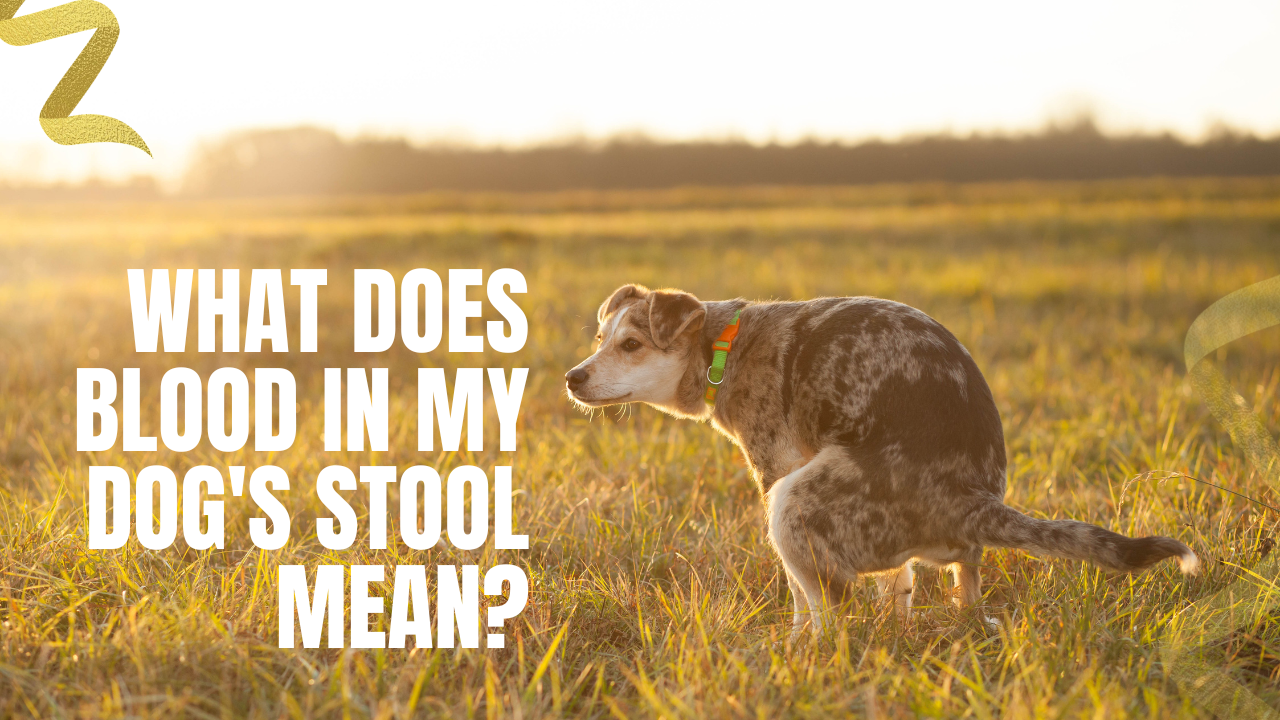
Spotting blood in your dog's stool is alarming, and it's even more unsettling when your dog is already facing cancer. The hard truth is that blood in the stool tells you something is wrong, but on its own it doesn't tell you what is wrong. The good news is that many causes are minor and treatable, and the appearance of the blood, along with how your dog is acting, gives you and your veterinarian real clues. Here's a calm, practical guide to what bloody stool can mean, when it's an emergency, and how to help your dog through it.
First, What You're Looking At
Blood appears in the stool when something in the digestive tract is bleeding. It can range from a few bright droplets to obvious streaks, and it may sit on the surface of the stool or be mixed throughout. Sometimes there's very little stool with it at all, which can simply mean your dog hasn't eaten in a while.
Around the time you notice blood, you might also see your dog straining to go, going more often, acting more tired than usual, or showing other signs like vomiting. The color of the blood is the single most useful starting clue, so it's worth learning the difference between the two main types.
Bright Red Blood (Hematochezia)
Bright red blood is called hematochezia, and the vivid color usually means the bleeding is coming from the lower digestive tract, such as the colon or rectum. The stool itself might be loose, normal, or otherwise discolored. Causes range from mild to serious, but they're often on the milder end.
A single episode of bright red blood, with your dog otherwise acting completely normal, usually isn't cause for alarm. It becomes more concerning if it keeps happening or comes with other symptoms. A dog passing what looks like liquid blood should see a veterinarian as soon as possible.
The list of possible causes is long, and includes minor injuries, intestinal parasites, swallowing something indigestible (like a piece of a chew toy or a bone fragment), a new food that doesn't agree with them, inflammatory bowel conditions, anal gland infections, parvovirus (a risk for any unvaccinated dog, not just puppies), stress, ingesting something toxic, and tumors in the lower bowel.
Dark or Black, Tarry Blood (Melena)
Dark red to black, tarry, or jelly-like stool is called melena, and it deserves more concern. The dark color comes from blood that has been digested as it traveled through the system, which points to bleeding higher up, in the stomach or upper intestines.
There are fewer causes of melena, but they tend to be more serious: internal bleeding from a swallowed object, liver or kidney failure, pancreatitis, or a tumor. And while tumors can cause either type of bleeding, those behind melena are more likely to be malignant. One practical wrinkle worth telling your vet: because melena blends into dark stool, it can be hard to know how long it's actually been going on.
When Your Dog Already Has Cancer
If your dog is already being treated for cancer, bloody stool can sometimes be a side effect of the treatment itself rather than the disease. Chemotherapy is hard on the rapidly dividing cells that line the intestines, which can lead to some bleeding. These signs typically begin one to five days after a treatment and can last three days or more, and roughly 5% of dogs on chemotherapy will have bloody stool that persists beyond 48 hours. Because of that, bloody stool lasting longer than 48 hours after chemotherapy is a reason to call your veterinary team.
It's also worth knowing about a breed-specific risk. Jack Russell Terriers can carry an inherited mutation (in the APC gene) that predisposes them to gastrointestinal polyps, a form of tumor. In one study of 21 affected Jack Russells, 46 polyps were examined and 93.5% were found to be adenomas or adenocarcinomas (Yoshizaki et al., 2021). If you share your life with a Jack Russell, it's worth keeping a casual eye on their stool, since blood can be an early sign of a polyp.
What to Do When You See Blood
Take a breath first. Panic doesn't help, and many causes turn out to be minor.
Next, make sure it's actually blood. Red food dye, or a chewed-up red non-food item like a crayon, can masquerade as the real thing. If you do think it's blood, snap a clear photo and bag a sample of the stool, then call your vet for advice or to make an appointment, and bring the sample with you.
While you're at it, think back over the last day or two, because this information genuinely helps your vet:
- What medications is your dog on? Check the package inserts to see whether bloody stool is a listed side effect.
- How has their appetite been?
- Have their energy and activity been normal?
- How has their mood and behavior seemed?
It also helps to have your dog's relevant medical history ready, since your vet will often ask whether they've ever had intestinal blockages, physical obstructions, ulcers, or tumors before, which can point toward a likely cause.
You know your dog better than anyone, so trust your read on whether they seem "off." One quick check you can do at home is to look at their gums: healthy gums are a salmon-pink color, while white or pale pink gums can signal that the body is struggling with something and warrant prompt veterinary attention.
When to Call the Vet, and When It's an Emergency
It's reasonable to call your vet about any blood in the stool, even just for peace of mind. That said, a single episode of bright red blood in a dog who is otherwise acting normal is usually not an emergency.
Treat it as urgent, and head in as soon as possible, if you see dark, tarry, black stool, or if blood comes with worrying symptoms like vomiting or difficulty breathing. Vomiting and diarrhea happening together is an emergency in its own right, because dogs can become dangerously dehydrated very quickly. And as noted, call promptly if your dog had chemotherapy recently and the blood has lasted more than 48 hours.
How Your Vet Figures Out the Cause
Your veterinarian will start by confirming blood is truly present, and if you bring a stool sample, they'll often check it for parasites. They'll feel the abdomen for pain or obstruction, listen to the heart, look for signs of blood loss, and check hydration. From there, depending on the picture, they may run additional tests, which can include:
- A packed cell volume (PCV) or hematocrit (HCT), which measures the proportion of red blood cells in the blood. A normal value is roughly 37% to 55%; a markedly high value (often above 60%) reflects severe dehydration and hemoconcentration and can be a clue to acute hemorrhagic diarrhea syndrome (AHDS), a serious condition that needs prompt treatment (Merck Veterinary Manual, 2023).
- A blood chemistry panel to check organ function and blood sugar.
- Imaging, such as X-rays or endoscopy, if a blockage, ulcer, tumor, or other obstruction is suspected.
Treatment
Treatment depends entirely on the cause and your dog's individual needs. If your dog is dehydrated, they'll likely be hospitalized for intravenous fluids with electrolytes; in conditions like AHDS, that fluid replacement is the heart of treatment, because the dangerous hemoconcentration and fluid loss can otherwise progress to shock and a serious clotting disorder (disseminated intravascular coagulation). If significant blood has been lost, your vet may use additional supportive measures, such as plasma or colloids, to stabilize your dog.
Once the cause is clearer, treatment is targeted to it: antibiotics, anti-inflammatories, or probiotics for infections; dewormers for parasites; dietary changes for food sensitivities or inflammatory bowel conditions; and surgery if a tumor or an obstructing object needs to be removed.
Supportive Care at Home
When your dog comes home, your care makes a real difference to their recovery. Follow your veterinarian's specific instructions, which often include resting the gut by withholding food (and sometimes water) for a period, then transitioning to a prescription or bland diet for about a week with plenty of fresh water available. Give any prescribed probiotics or other supplements as directed, watch closely for new or returning symptoms and report them, and create a calm, quiet space, since rest helps with healing across the board. (Because withholding food or water can be risky for some dogs, confirm the timing with your vet rather than assuming.)
Is This a Sign of the End?
This is the question on many owners' minds, and the honest answer is reassuring more often than not. Blood in the stool has many possible causes in a dog with cancer, and plenty of them are temporary and treatable. It is not, by itself, a sign that your dog is at the end of their life.
That said, severe or ongoing blood loss and dehydration are genuinely dangerous and can lead to shock, organ damage, and death if untreated, which is why prompt veterinary care matters. And if your dog's cancer is causing chronic, hard-to-control diarrhea and bleeding, that may be part of a larger quality-of-life conversation. The right way through that is together with your veterinary team, weighing your dog's overall comfort and wellbeing. You don't have to interpret these signs alone.
This article is for educational purposes and isn't a substitute for individualized veterinary advice. Any blood in your dog's stool is worth a call to your veterinarian, and dark or tarry stool, or blood with other symptoms, warrants prompt care.
References
Merck Veterinary Manual. (2023). Acute hemorrhagic diarrhea syndrome in dogs. Merck & Co. https://www.merckvetmanual.com/digestive-system/diseases-of-the-large-intestine-in-small-animals/acute-hemorrhagic-diarrhea-syndrome-in-dogs
Unterer, S., & Busch, K. (2021). Acute hemorrhagic diarrhea syndrome in dogs. Veterinary Clinics of North America: Small Animal Practice, 51(1), 79–92. https://doi.org/10.1016/j.cvsm.2020.09.007
Yoshizaki, K., Hirata, A., Nishii, N., Kawabe, M., Goto, M., Mori, T., & Sakai, H. (2021). Familial adenomatous polyposis in dogs: Hereditary gastrointestinal polyposis in Jack Russell Terriers with germline APC mutations. Carcinogenesis, 42(1), 70–79. https://doi.org/10.1093/carcin/bgaa045
Reviewed by: Amber L. Drake, PhD
Dr. Amber L. Drake is a board-certified holistic health practitioner, canine clinical herbalist, educator, and founder of the Drake Dog Cancer Foundation and Drake Dog Academy. She is dedicated to helping pet parents better understand canine cancer, treatment options, nutrition, quality of life, and supportive care through compassionate, evidence-informed education. Her work combines professional training, practical resources, and firsthand insight from supporting thousands of dog families through the challenges of a cancer diagnosis.
Stay connected with news and updates!
Join our mailing list to receive the latest news and updates from our team.
Don't worry, your information will not be shared.
We hate SPAM. We will never sell your information, for any reason.